Downsizing Part III brings us to the final stage of the journey: turning your unwanted items into cash. Once you’ve sorted, donated, and recycled what no longer serves you, you may still have a collection of belongings that hold value — and value can be converted into dollars with the right approach. In the Raleigh, NC area, homeowners have several strong options for selling items, each with its own advantages and drawbacks. The goal here is not just to make money, but to choose the method that best fits your timeline, energy level, and the types of items you’re hoping to sell.
One of the most effective and often overlooked ways to turn unwanted belongings into real money is through a professionally conducted auction. Unlike yard sales — which require days of sorting, cleaning, pricing, staging, advertising, and managing crowds — an auction places your items in front of motivated buyers who understand competitive bidding. A well‑run auction eliminates the guesswork of pricing, removes the burden of hosting a sale yourself, and dramatically increases the likelihood that high‑value items bring their true market value. In the Raleigh area, working with a licensed professional such as Matthew Price, North Carolina Auctioneer & Real Estate Broker, ensures your sale is marketed properly, conducted legally, and handled with the efficiency and expertise that only a trained auctioneer provides. Auctions also move large volumes quickly, making them ideal for estates, relocations, and full‑home downsizing.
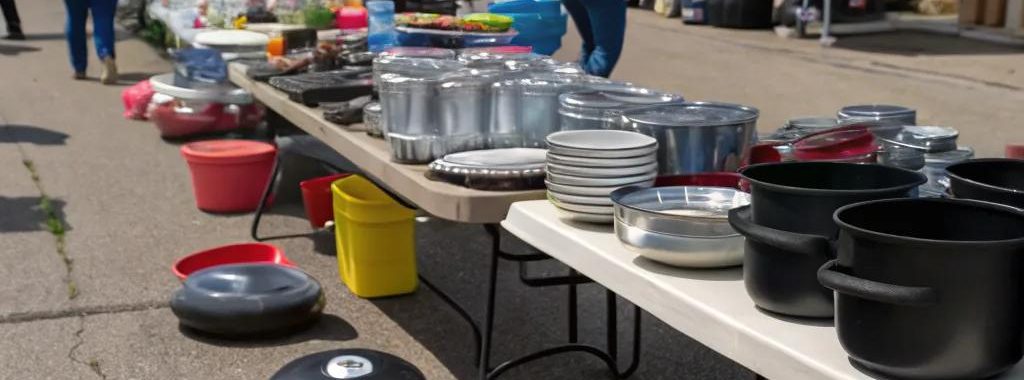
Traditional yard sales still exist, but they require significant labor and often yield lower returns. You must gather items, clean them, price them, stage them, advertise, post signage, and recruit help — all for a sale that may or may not attract serious buyers. You keep all the money, but you also carry all the workload. Estate tag sales can be used in certain situations, though they typically involve high fees and slower turnaround, and they lack the competitive bidding environment that makes auctions so powerful.
Online selling platforms like Craigslist and eBay offer another avenue for turning clutter into cash. Before listing anything, take time to browse similar items to understand current market value.
You may even contact an auctioneer who can walk through and have the sale online, and have pickups either at the front door or at their place. Trust me when I say, it is worth their commission for them to do this – most people want the largest amount back, or ask people to work for less than their costs, and it’s not going to happen. When you do it yourself, you will take your time, energy, effort, and wits and the costs will be more. Making mistakes – could cost you more.
You may discover that certain collections — old magazines, mass‑market books, or common record albums — simply don’t command high prices anymore. If you choose eBay, you’ll need to create an account, take clear digital photos, write detailed descriptions, and set your minimum acceptable bid. Once your listing is live, be prepared to answer buyer questions. After the auction ends, you’ll be responsible for packaging and shipping the item. Most sellers structure listings so the buyer pays for postage. eBay charges listing fees whether the item sells or not, while Craigslist remains free for most household goods. The upside of online selling is the potential for competitive bidding — sometimes two motivated buyers can drive the price far higher than expected. The downside is timing: if interest is low, bids may be disappointing. It can also be time‑consuming to manage questions and shipping. As an alternative, Raleigh has several online auction resalers who will photograph, list, manage questions, and ship items for you in exchange for a percentage of the sale. Search for “Raleigh online auction resellers” to find local options.
Consignment stores remain one of the most convenient ways to earn money from gently used household goods and clothing. In Raleigh and the surrounding area, popular consignment shops include The Green Chair Project (which accepts furniture for families in need), Revival 41 Consignment, and Uptown Cheapskate for clothing. The process is simple: set up an account, drop off your items, and wait for them to sell. Once your sales reach a minimum threshold, the store sends you a check. Most consignment stores keep between forty and fifty percent of the sale price, which is standard across the industry. The upside is convenience — you don’t have to photograph, list, or ship anything. The downside is selectivity: consignment stores are particular about what they accept, and they may decline items that don’t meet their quality standards. You also have little control over pricing, and items typically decrease in price if they don’t sell within a set timeframe. If you have a large quantity of high‑quality antiques or collectibles, renting a booth in an antique mall may be more profitable. Raleigh has several antique malls, including the Raleigh Flea Market at the NC State Fairgrounds and the Cheshire Cat Antique Gallery.
Another option is advertising through local classified listings. In the Raleigh area, household goods can be listed in The News & Observer’s classified section, both online and in print. This method gives you full control over pricing and allows you to keep all proceeds. The downside is that strangers will be coming to your home to pick up items. For safety reasons, this option is not recommended for elderly individuals or single women unless the pickup can occur in a public place or with another person present.
As we conclude this three‑part series on downsizing, we’ve explored how to begin the purging process, where to donate and recycle responsibly, and now how to make money from items you no longer need. Downsizing is ultimately about creating space — physical, emotional, and mental — for a calmer, more intentional home. Let go of what no longer serves you, keep what enriches your life, and allow the rest to move on to someone who will appreciate it. If you’ve discovered additional ways to make money from your “junk,” share your experiences. Your ideas may help someone else take the next step toward a simpler, more peaceful home.