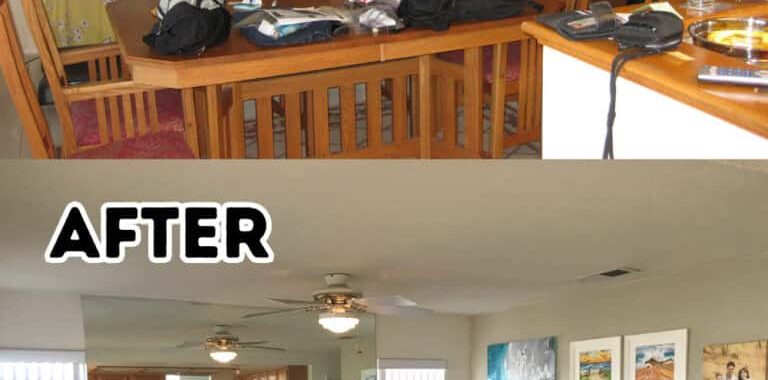
Downsizing is one of the most significant home‑transition challenges people face, and today we begin a three‑part series exploring how to navigate it with clarity, confidence, and far less stress. Professional organizers are often called in to help families through this process, and the reasons for downsizing vary widely. Some homeowners find that once their children have flown the coop, the five‑bedroom, three‑bath home that once felt lively now feels unnecessarily large. Others reach a stage where maintaining a big house and yard becomes more burden than joy. And then there are those who must downsize under difficult circumstances, such as losing the ability to live independently and needing to transition into assisted living or a nursing home. No matter the reason, downsizing is rarely simple — it is emotional, logistical, and deeply personal.
As we age, the sheer volume of belongings in our homes tends to grow quietly in the background. Even highly organized families can find themselves overwhelmed by decades of accumulated possessions. For families with avid collectors, sentimental savers, or chronically disorganized members, downsizing can feel almost impossible. Many of us have stepped into a parent’s or grandparent’s basement and wondered how so many items ended up there, and why they were kept for so long. You may have asked the same question about your own basement, attic, or garage. These spaces often become storage zones for forgotten hobbies, outdated technology, unfinished projects, and “just in case” items that never actually get used.
If you anticipate downsizing in the future, the most powerful step you can take is to begin now. Downsizing is far easier when approached gradually rather than in a rushed, crisis‑driven moment. Start by taking responsibility for your belongings and making intentional decisions about what truly deserves a place in your life. Let go of items that are broken, unused, or carry negative memories. Keep the things that bring warmth, joy, and meaning — but only if they will realistically fit into the smaller home you expect to move into. Downsizing is not about stripping your life bare; it is about curating a home that reflects who you are today, not who you were decades ago.
A practical way to begin is to choose one room, or even one drawer, and start identifying items you no longer use or love. This small‑scale approach prevents overwhelm and builds momentum. As you work, remind yourself that your future home will be intentionally filled with items that add value to your life. If you come across something that you believe a friend or relative would enjoy more than you do, place a sticky note with their name on it. Later, reach out to confirm whether they truly want the item. If they decline, move it into your donation or resale pile. This simple step prevents accidental “gifting” of items that others may not actually want, while still honoring your desire to pass meaningful things along.
If you live near a reputable consignment shop, consider opening an account early in the process. This allows you to drop off resalable items as you go, rather than waiting until the end. Many consignment stores also offer pickup and delivery services for larger furniture pieces, making it easier to move items out of your home without heavy lifting. Over time, you may find that consignment checks begin arriving regularly, providing both motivation and a sense of accomplishment. For some families, this becomes a rewarding part of the downsizing journey.
Broken items should be discarded unless they can be repaired quickly and inexpensively. Resist the temptation to keep things “for spare parts,” as this mindset often leads to boxes of unusable clutter that never actually serve a purpose. Instead, focus on keeping items that function, that matter, and that contribute positively to your daily life. Establish a donation box for your favorite charity and keep it accessible as you work. When it fills, deliver it and start another. This steady rhythm of letting go helps maintain progress without feeling overwhelming.
Some people consider hosting a yard sale as part of their downsizing efforts. Yard sales can generate a bit of extra money, but they are also time‑consuming and physically demanding. Sorting, pricing, staging, advertising, and managing the sale require significant effort, and the return may not justify the labor involved. If you choose this route, go into it with realistic expectations and a clear understanding of the work required.
To help you begin with even more confidence, here are several additional strategies professional organizers rely on:
One powerful method is the “Twenty‑Minute Sweep,” where you set a timer and work only until it rings. This prevents burnout and builds consistency. Another is the “Future‑Home Test”: imagine the layout of your next home and ask whether each item has a clear place or purpose there. If not, it’s a candidate for release. You can also create a “Maybe Box” — a container for items you’re unsure about. Seal it, date it, and store it. If you don’t open it within six months, donate it. This technique reduces decision fatigue and keeps you moving forward. And if you’re helping aging parents, remember that emotional pacing matters. Sometimes the best progress comes from sorting together, listening to stories, and gently guiding decisions rather than rushing the process.
This introduction is meant to inspire you to begin the journey, even if only in small steps. Downsizing is not a single event but a thoughtful transition toward a simpler, more manageable home. In Parts II and III of this series, we will explore donation resources, consignment strategies, and online selling options such as Craigslist, eBay, and other resale avenues that can help you make informed decisions as you continue to let go of what no longer serves you.