
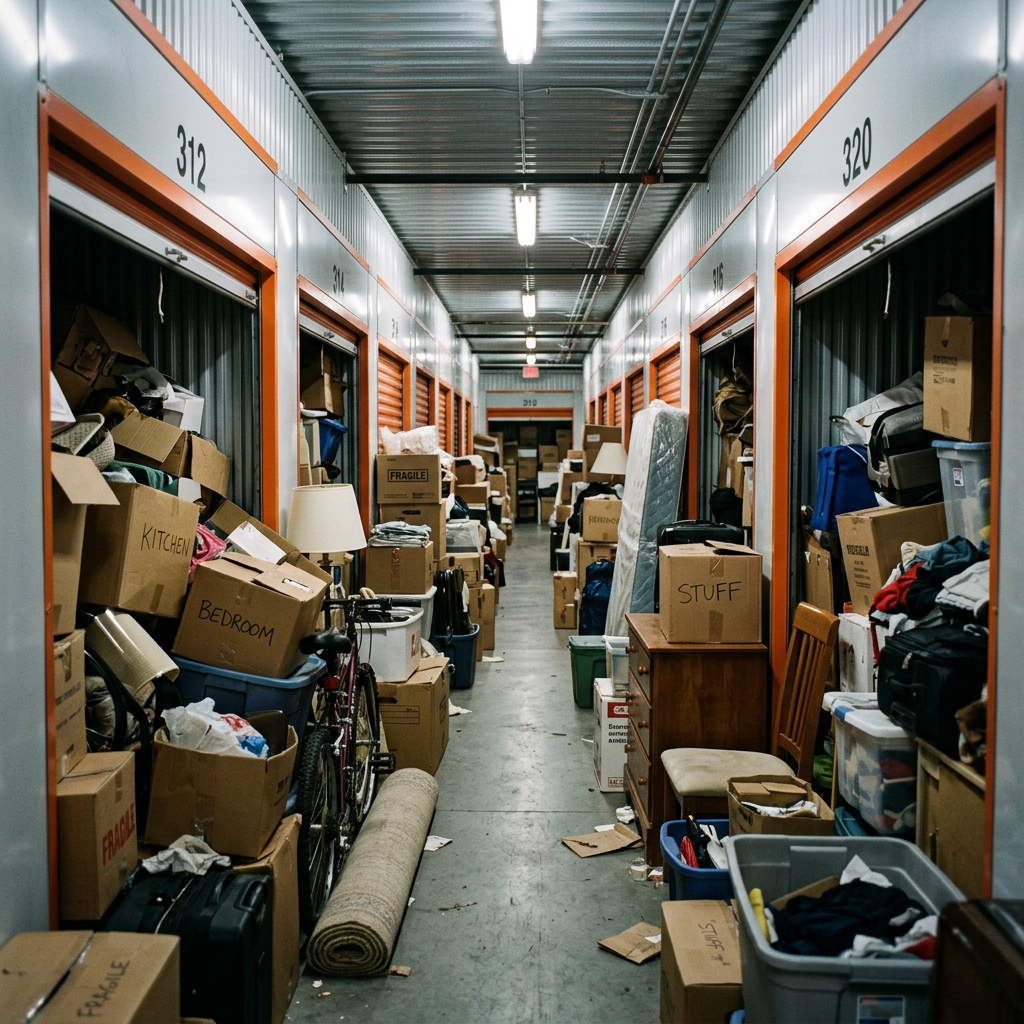
Storage facilities remain packed, estate sale companies are selective, and many secondhand goods—especially mass-produced furniture, older antiques, and collectibles—struggle to fetch the prices they once did. While the industry as a whole shows resilience and even modest growth driven by sustainability interests and demographic shifts, the oversupply of “stuff” from aging populations has created challenges for sellers expecting windfalls.
The U.S. housing market continues to influence supply, with existing-home sales showing modest fluctuations amid higher interest rates and inventory slowly rising in some areas. Baby Boomers downsizing or passing on estates, combined with relocations and divorces, keep feeding inventory into the market. However, many estate sale companies set minimum thresholds (e.g., $5,000–$10,000+ in expected gross) and turn down smaller or low-value jobs due to rising labor, fuel, insurance, and disposal costs.
EstateSales.net surveys and industry reports confirm that many sales gross under $20,000 on average, with commissions around 35%, leaving net proceeds often modest. Yard sales and online platforms add further competition.Yahoo Finance
Antiques and traditional furniture face headwinds. Formal pieces, large cabinets, china, and mass-produced items often sit or sell at steep discounts. Younger buyers (Millennials and Gen Z) prefer smaller spaces, mid-century modern, sustainable/vintage fashion, tools, and practical items over bulky heirlooms. Selma, NC, still attracts antique hunters with its mills and shops, but dealers report slower movement for traditional furniture.
Collectibles like many Beanie Babies, Precious Moments figurines, Franklin Mint, and mass-produced limited editions have largely crashed in value due to oversupply. Most are worth little or sold in box lots, though rare examples or specific categories (e.g., certain vinyl, vintage toys in original packaging, or Lionel trains) hold better.Antiquetrader
Commercial equipment varies. While some restaurant liquidations see strong prices for high-demand items (e.g., quality hood systems or mixers), many used pieces like freezers, ranges, and prep tables sell at fractions of new cost at auction, reflecting abundant supply and cost-conscious buyers.
A recurring theme is younger generations’ resistance to inheriting large volumes of parents’ possessions. Millennials and Gen Z often lack space in smaller homes or apartments, prioritize different aesthetics (mid-century, vintage clothing, functional items), and favor sustainability over sentiment for bulky or outdated goods. Many Boomers end up storing adult children’s items too, creating mutual clutter challenges.
Now there is some light for some older lamps and glasswork, especially depression glass and diamond cut glass. It is making a slight return. Those nesting hens that are out in abundance? What used to be an auctioneers nightmare to sell, is now a delight, as they went from $5-$10 per piece to upwards to $125 to $300 for some nice pieces.
This has led to a changing dynamic in donations, auctions, or landfill contributions. Pressboard/IKEA-style furniture often has near-zero resale value. Storage units frequently become de facto abandonment points after the free month. The individuals don’t want to throw it away, they merely make it someone elses problem, as they pay once and then never pay again.
The broader resale and estate sale sector benefits from interest in secondhand goods for environmental and economic reasons. Mid-century modern (select authentic pieces), vintage designer clothing, gold/silver/jewelry (boosted by metal prices), quality tools, and practical kitchen items perform better. Online platforms, better marketing, and professional staging help move inventory. The industry sees growth projections tied to aging demographics and online resale expansion.
Companies like Everything But the House (EBTH) continue operating online estate auctions, focusing on curated unique finds rather than broad liquidation.
Markets move fast—eBay “sold” comps (not just listings) provide rough guidance, but condition, rarity, location, and timing matter enormously. Professional appraisals help for valuables. For most everyday estates: No one wants the family china or oversized formal sets like before. Focus on quality, smaller-scale, functional, or trendy items.
A throwaway society meets a generation prioritizing experiences, smaller footprints, and curated vintage over accumulation. Sellers who research trends, price realistically, and use professionals fare best. Buyers find opportunities in quality secondhand goods.